
Health
What to know after Washington state resident dies of bird flu after being exposed to infected cattle
By Ethan J. Mulligan
Advertisement · Why this ad?
Jasmine is a recent graduate of the University of Pennsylvania and has quickly made a name for herself in local journalism covering community events for the King of Prussia Chronicle. With a keen interest in local history and cultural initiatives, she enjoys sharing stories that reflect the town’s rich heritage.
More from Jasmine →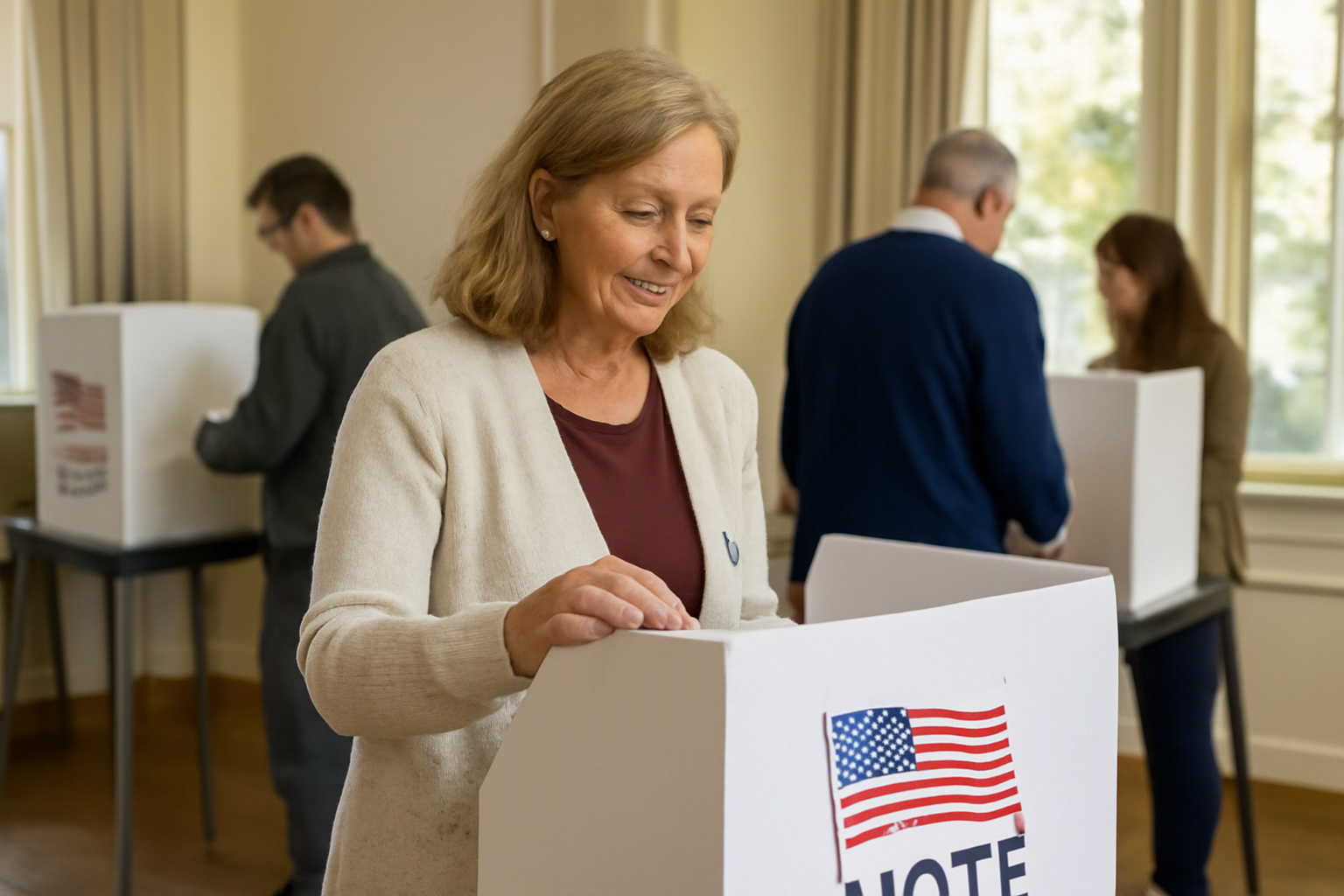
As the sun dipped below the horizon on a crisp November evening, the anticipation in California was palpable. Voters had cast their ballots, and the air buzzed with the promise of change. In homes across the state, families gathered around their screens, awaiting the fate of Proposition 40, a bold initiative aimed at taxing the ultra-wealthy to fund the state’s beleaguered healthcare system. Could this be the moment California became the first state to enact a billionaire tax?
On November 3, 2026, California voters faced a pivotal decision that could reshape the healthcare landscape of the state. Proposition 40 proposed a one-time 5% tax on the accumulated wealth of individuals worth over $1 billion, targeting approximately 250 residents. The measure was designed to address the severe cuts anticipated from the California Healthcare, which threatened to dismantle vital healthcare services for millions.
Supporters of Prop 40, including Dave Regan, President of SEIU United Healthcare Workers Trust, argued that the tax could raise an astounding $100 billion. Of this, 90% would be allocated to restore cuts in healthcare services, while the remaining 10% would support food assistance and public education. Regan passionately stated, "Finally here in California, we're saying to them you have to put up a little bit of money, a one-time emergency tax, so millions of people don't lose healthcare."
As the polls closed at 8 p.m., the tension mounted. California residents were not just voting on a tax; they were choosing the future of healthcare for themselves and their neighbors. The stakes were high, as Regan warned that without intervention, 3.5 million Californians could lose their coverage, and 20 million would face rising premiums, alongside potential closures of hospitals and clinics.
The community’s response to Prop 40 was as diverse as California itself. Supporters rallied behind the proposition, viewing it as a necessary step toward equity and sustainability in healthcare. They argued that the wealthiest individuals, who have benefited immensely from California's economy, should contribute to the system that supports the less fortunate. The notion of community responsibility resonated deeply, particularly among those who have seen firsthand the struggles of friends and family navigating the healthcare system.
Many families expressed their support for Prop 40, sharing personal stories of hardship due to rising healthcare costs. One resident, Maria Gonzalez, a mother of three, shared, "Every month, I worry about how to afford my children’s doctor visits. If the billionaires can help, why shouldn’t they?" This sentiment echoed throughout the state, as citizens hoped to see a more equitable distribution of wealth that could benefit the community at large.
Local leaders and activists also joined in, organizing town hall meetings to discuss the implications of Prop 40. In Los Angeles, community organizer Rachel Chen emphasized the importance of collective action: "This isn’t just about healthcare; it’s about our future. We need to ensure that everyone has access to the care they need, regardless of their income. Prop 40 is a step toward that future."
However, not everyone shared this optimistic view. Opponents of Prop 40, including influential figures like Governor Gavin Newsom and gubernatorial candidate Xavier Becerra, voiced concerns that the tax could drive wealthy residents out of California, ultimately harming the state’s economy. Stuart Waldman, an advocate for economic growth, articulated this fear succinctly: "Thirty-eight percent of our state budget comes from the top 1%. If those people moved, it would have a drastic impact on our state budget."
The debate surrounding Prop 40 illuminated deeper issues within California's socio-economic fabric. Opponents criticized the allocation of funds, arguing that a disproportionate focus on healthcare neglected other critical areas like public safety, housing, and wildfire prevention. The fear that future legislatures could expand taxes based on this precedent added another layer of complexity to the discussion.
As election night unfolded, the conflict between the need for immediate healthcare funding and the long-term implications of such a tax became increasingly apparent. Many voters felt torn, caught between the urgency of addressing healthcare needs and the potential consequences of alienating the very individuals who contribute significantly to the state’s economy.
At the heart of this election was the human impact of healthcare cuts. Families like the Gonzalezes were not just statistics; they represented the millions of Californians who rely on accessible healthcare. The potential loss of coverage and the fear of skyrocketing premiums were not abstract concepts; they were daily realities that weighed heavily on the minds of voters.
In the face of uncertainty, many community members banded together to advocate for Prop 40, organizing rallies and discussions aimed at educating their neighbors about the implications of the tax. Grassroots movements sprang up, fueled by a shared commitment to a healthier future for all Californians. The sense of community was palpable, as people united under a common cause, emphasizing the importance of collective responsibility.
Moreover, local businesses began to weigh in. Small business owner Tom Ramirez, who runs a family-owned pharmacy, noted, "If Prop 40 passes, it could mean more customers for us. People need their medications, and if they can afford their healthcare, they’ll be able to come to us for their prescriptions. It’s all connected." This interconnectedness of healthcare and local economies became a central theme in discussions around Prop 40.
As the election approached, resources for voters became increasingly important. Organizations such as NASS provided vital information about voting procedures and the implications of various propositions. Community centers hosted informational sessions to help residents understand the nuances of Prop 40, ensuring that every voice had the opportunity to be heard.
Local initiatives, such as the “Vote for Health” campaign, distributed flyers and held workshops to educate voters on the potential benefits of Prop 40 for their communities. These efforts highlighted the importance of informed voting and community engagement, empowering residents to make choices that would impact their lives directly.
The engagement from local organizations underscored the importance of informed voting. As families gathered around their screens to watch the results come in, they did so with a sense of empowerment, knowing they had participated in a pivotal moment for their state.
As the clock struck midnight, the results began to trickle in, and the tension in the air was thick with anticipation. Regardless of the outcome, the conversation surrounding Prop 40 had ignited a much-needed dialogue about wealth distribution and healthcare funding in California. The implications of this proposition would resonate far beyond the election night results, shaping the future of policies and community support.
Looking ahead, whether Prop 40 passed or failed, the issues raised during this election would remain at the forefront of California's political landscape. Residents would continue to advocate for solutions that prioritize the health and well-being of all citizens, reinforcing the importance of community solidarity in addressing systemic challenges.
As community leaders and activists prepared for the next steps, discussions about alternative funding models and strategies to ensure healthcare access would be crucial. The outcome of Prop 40 could serve as a catalyst for broader reforms aimed at addressing the root causes of healthcare inequities in California.
By Ethan J. Mulligan

By Aisha K. Thompson

By Natalie G. Ramos

By Trevor M. Kowalski